- This event has passed.
Sea Oats Planting
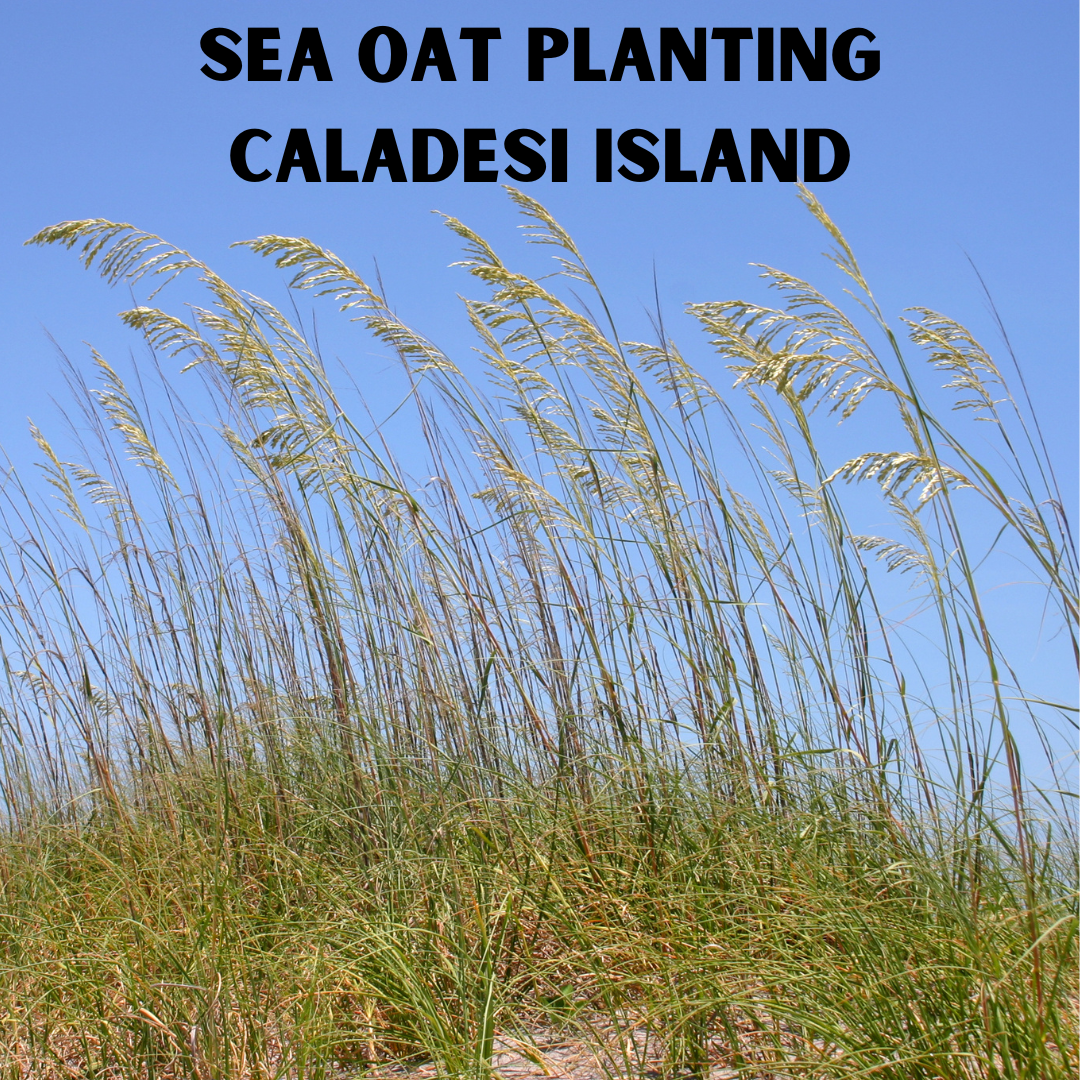
Sea Oat Planting at Caladesi Island – Help Protect Our Beaches – July 13, 2025
Come join us for the opportunity to plant sea oats on our beloved Caladesi Island as we attempt to help them build back with resiliency!
Ages 18+
Date and time: Sunday, July 13, 2025 · 8am – 2pm EDT
Meeting Location: Honeymoon Island – Caladesi Island Ferry Dock
Event lasts 6 hours
Free venue parking
Come join us for a volunteer day, getting our beloved Caladesi Island ready to reopen to the public after the devastation caused by hurricanes Helene and Milton. Our primary objective will be to plant sea oats in order to help build a more resilient coastline and support the local habitat. Come help our park rangers get Caladesi back to the beautiful Park we love!
What to bring: Work Gloves, hat, reef safe sunscreen, and other preferred sun protection Closed toed shoes Drinking water in a reusable water bottle and bring a packed lunch as we will be having a picnic lunch break on the island
RSVP REQUIRED – SPACE LIMITED
SIGN UP HERE!
Where to Park: See map here and follow road to Ferry Parking Lot: (after entering the park, take your first left and follow the road until it ends)
Sea oats have many benefits, including:
- Protecting coastlines and barrier islands: Sea oats’ roots stabilize sand and soil during hurricanes and tropical storms. Their leaves and stems also trap wind-blown sand, which helps build dunes. Dunes act as dikes against flooding and replenish beaches with sand.
- Food source: Sea oats seeds are eaten by many animals, including red-winged blackbirds, sparrows, marsh rabbits, and the Anastasia Island beach mouse.
- Nesting habitat: Sea oats provide nesting materials and cover for birds, mammals, and insects.
- Butterfly host plant: Sea oats are larval host plants for several butterfly species, including the pepper and salt skipper, and bronze roadside skipper.
- Deer resistant: Sea oats are resistant to deer.
- Privacy and peace: Sea oats can create secluded spaces.